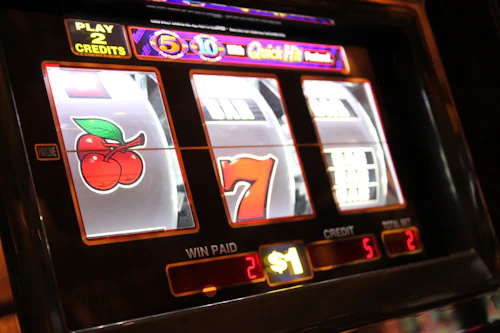
Trying a chicken road game at a casino can feel simple at first: guide a character forward, weigh each move, and decide when to stop. But a beginner should understand the rules, payout display, and risk before placing a wager. The game’s animated format does not change the basics of casino play: outcomes involve chance, and a larger potential return usually comes with greater risk. This guide explains what to check, how to approach a first session, and how to keep play within limits you can afford.

What beginners can expect from a casino chicken road game
A chicken road game usually presents a path made up of steps or stages. As the character advances, a displayed multiplier or possible payout may rise, while a hazard can end the run and put the current wager at risk, a familiar risk-and-reward dynamic in casino games such as the chicken road game , where each move may affect the potential payout. The precise rules vary by game, so do not assume every version uses the same controls, stopping options, or payout calculation. Before playing for real money, read the on-screen instructions and identify exactly what happens when you advance, cash out, or encounter a hazard.
The format is easy to follow, but that does not mean the result is predictable. A streak of successful moves cannot guarantee another one, and visual cues or animations should not be treated as signals about what will happen next. Check whether the game explains its return-to-player information, volatility, and any limits that apply. If those details are unclear, pause and ask the casino’s support team rather than guessing. Beginners benefit most from treating each round as an independent wager, not as a puzzle that can be solved with a sure-fire pattern.
How to get started with a first session
Start with the rules and your spending limit, not the wager button. A cautious first session is an opportunity to learn how the interface behaves and how a round ends. If a demo mode is offered, use it to understand the controls before risking money; demo results do not predict real-money outcomes. When you are ready, keep the first stake small and decide in advance how long you will play.
- Check the casino: Confirm that the casino is legally available where you live and review its licensing, account terms, and age requirements.
- Read the game rules: Learn how advancing, cashing out, hazards, multipliers, and any round limits work before wagering.
- Set a firm budget: Choose an amount you can afford to lose without affecting bills, savings, or other essentials.
- Choose a modest stake: Use a small wager while learning the interface, and never increase it to recover a loss.
- Play one round at a time: Make each decision calmly, stop at your planned limit, and take a break if you feel pressured.
- Reading the rules helps prevent avoidable misunderstandings.
- A preset budget keeps entertainment spending visible.
- A modest stake makes it easier to learn without escalating risk.
- Planned breaks reduce rushed decisions during a session.
Practical details to check before wagering
Small interface details can change how a round feels, so inspect them before committing a stake. Find the displayed wager amount, the current potential payout, and the control that ends a run. Confirm whether cashing out is available after every step or only at certain points, and check whether the game automatically continues under any setting. Also look for minimum and maximum bet limits, any stated game restrictions, and whether the payout shown is the total return or only the winnings. If the wording is ambiguous, do not place a real-money wager until you understand it.
- Round controls: Identify the advance and cash-out buttons, including any confirmation prompts.
- Payout display: Check how the casino presents the stake, multiplier, and final return.
- Game information: Review available rules, volatility notes, and return-to-player disclosures.
- Account limits: Locate deposit, loss, and session-time tools before you begin.
- Connection behavior: Learn what the casino says to do if the page freezes or a round is interrupted.
Payment and account conditions matter as well. Review deposit methods, withdrawal requirements, identity checks, fees, and processing times in the casino’s terms; these may differ by location and payment option. A displayed balance is not a promise of immediate withdrawal, and promotional terms can include restrictions. Avoid relying on a bonus to make a risky wager seem affordable. Understanding the practical conditions beforehand lets you focus on the game’s actual rules rather than discovering important limits after a session has started.
Potential advantages and features for new players
The appeal of a chicken road game often comes from its clear sequence of choices: move forward for a chance at a higher return, or stop and secure the amount available under the rules. That format can be easier to understand at a glance than games with many betting lines or complicated menus. Still, simplicity is about presentation, not safety or certainty. A beginner should judge the experience by whether the rules are transparent and the controls are easy to use, rather than by attractive graphics or the size of a possible payout.
- Quick-to-follow rounds: A step-based layout can make the current decision easy to see.
- Visible risk choices: The advancing-or-stopping format highlights the trade-off in each round.
- Practice opportunity: A free-play option, when available, can help explain controls without real-money stakes.
- Flexible pacing: Short rounds can make it easier to pause, provided you keep to a time limit.
These features are useful only when paired with restraint. A rising multiplier can make it tempting to continue after reaching a personally acceptable result, while a near miss can encourage another attempt. Neither feeling changes the underlying odds. Decide beforehand what a successful stopping point means to you, and do not reinterpret that limit in the heat of play. The best feature for a beginner is not a promise of profit; it is a transparent game and casino environment that makes rules, limits, and account tools easy to find.
Trust, security, and responsible casino play
Before using any casino, verify that it holds an appropriate licence for your jurisdiction and that the operator’s legal name and regulatory details are easy to confirm. Use a unique password, enable extra account protection if offered, and access the casino through its verified site or application. Never share login codes or payment details in response to unsolicited messages. Read the privacy policy to understand how personal information is handled, and contact customer support through the casino’s official channels if you need clarification about a transaction or game result.
Responsible play means treating wagering as paid entertainment, not as income or a way to solve financial difficulties. Set deposit, loss, and time limits before starting, and use a cooling-off period or self-exclusion option if play becomes difficult to control. Do not borrow money, chase losses, or wager while distressed or impaired. Casino games involve risk, and a losing run can occur even when you follow every rule. If gambling is affecting your finances, relationships, or wellbeing, stop and seek help from a qualified local support service. A casino’s responsible-play tools can assist, but they cannot guarantee that gambling is safe for everyone.

Choosing whether this casino game suits you
A first-time player can make a more informed choice by checking three things: whether the game rules are clear, whether the casino is appropriately licensed, and whether the planned stake fits a fixed entertainment budget. Consider trying a free mode first if it is available, then decide whether the real-money version still feels comfortable. Do not use a potential payout as a reason to exceed your limit, and remember that each round can end unfavorably. If you cannot explain how a wager is placed, how a run ends, and how the payout is calculated, take more time before playing.
There is no need to play simply because a casino offers the game or because the format looks approachable. A sensible beginner session is short, uses only affordable stakes, and ends when the planned time or spending limit is reached. Keep track of deposits and withdrawals, take breaks, and leave the game if your decisions become rushed or emotional. These habits cannot remove the chance of losing, but they help keep casino play within boundaries. The right choice is the one that remains understandable, voluntary, and affordable for you.